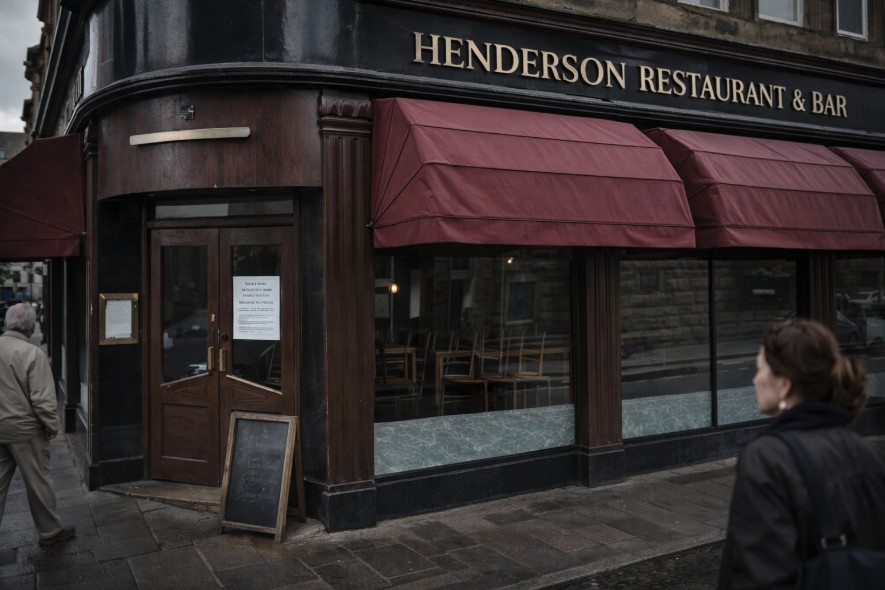
The news sent a ripple of dismay through the community of Stirling: TJ's Restaurant, a beloved local establishment, had entered Creditors’ Voluntary Liquidation. For many, the closure was not just a loss of a dining spot but a familiar landmark. Operating as TJ's Restaurant and Bar, the family-run Henderson Restaurant Group Limited, based in Stirling, made the formal decision to cease trading at the end of March. While the official confirmation came from director Fraser Henderson, signaling a voluntary winding-up, the underlying reasons reflect a broader, challenging narrative facing Scotland's hospitality sector.
Stirling Bids Farewell to TJ's: An Unexpected End for a Local Gem
TJ's Restaurant and Bar, situated on Dumbarton Road, had carved out a significant niche in Stirling’s vibrant food scene over approximately seven years. Known for its American-themed menu, featuring everything from hearty burgers and classic steaks to indulgent buttermilk pancakes and thick milkshakes, TJ's developed a strong local following. Its commitment to quality service and a family-friendly atmosphere quickly solidified its reputation, transcending that of merely "another restaurant" to become a cherished local institution.
The business, active since April 2019, wasn't just popular; it was critically acclaimed. In 2022, TJ’s achieved notable recognition by winning the best restaurant and bar in Stirling and Falkirk at the prestigious Scottish Business Awards. This accolade, coupled with a loyal customer base drawn to its generous portions and welcoming ambiance, made the eventual liquidation of the Henderson Restaurant Group particularly unexpected and disheartening for both its patrons and dedicated staff.
The sudden closure serves as a poignant reminder that even award-winning establishments are not immune to the economic headwinds currently buffeting the hospitality industry. For a family-run business that had built its success on community engagement and consistent quality, the decision to close was undoubtedly a difficult one, reflecting deep-seated financial pressures that ultimately proved insurmountable.
Unpacking the Creditors' Voluntary Liquidation (CVL) Process
The formal path to TJ's closure began with a special resolution signed by director Fraser Henderson, confirming the company's entry into voluntary winding-up. This process, known as a Creditors' Voluntary Liquidation (CVL), is a common form of insolvency for small businesses in the UK. It signifies that the company's directors have concluded that the business can no longer sustainably pay its debts and, rather than being forced into closure by creditors, they proactively choose to wind down operations in an orderly and responsible manner.
On 31 March, the necessary voting majority was received, formalizing the decision. Joint liquidators Alan Fallows and Jessica Barker of Manchester-based Xeinadin Corporate Recovery Limited were subsequently appointed to oversee the complex winding-up process. Their role is crucial and multifaceted, encompassing:
- Taking Control: The liquidators immediately assume control of the company's affairs, relieving the directors of their responsibilities.
- Financial Review: A thorough examination of the company's financial records to understand its assets, liabilities, and overall financial health.
- Asset Identification & Realisation: Identifying all company assets (e.g., equipment, stock, intellectual property) and selling them off to generate funds.
- Creditor Communication: Engaging with all creditors, verifying their claims, and distributing any available funds from asset sales equitably according to legal priority.
- Formal Closure: Overseeing the complete and formal dissolution of the company, ensuring all legal requirements are met.
Unlike a compulsory liquidation, which is initiated by creditors through the courts, the fact that the Henderson Restaurant Group chose to initiate the process itself suggests a responsible approach. It indicates that the directors, faced with insurmountable financial challenges, prioritized an orderly cessation of trading to minimize further liabilities and manage the process transparently, rather than allowing the situation to deteriorate further.
The Broader Battle: Financial Pressures Facing Scotland's Hospitality Sector
While no single reason for the Henderson Restaurant Group Liquidation has been publicly confirmed beyond the formal resolution, the prevailing evidence points to systemic financial pressures plaguing Scotland’s hospitality sector. These are not isolated issues but rather a cumulative burden that has made operating a restaurant increasingly challenging:
- Soaring Energy Costs: Businesses have faced unprecedented increases in gas and electricity bills. For a restaurant, which relies heavily on energy for cooking, heating, lighting, and refrigeration, these costs can quickly erode profit margins.
- Rising Business Rates: Local property taxes, known as business rates, have continued to climb. These fixed costs represent a significant outlay for businesses, irrespective of their revenue, placing additional strain on finances.
- Higher National Insurance Contributions: Increases in National Insurance contributions add to the overall cost of employment, making it more expensive to hire and retain staff in an already competitive labor market.
- Supply Chain Inflation: Beyond direct operating costs, the price of ingredients and other essential supplies has also seen significant inflation. Restaurants have had to grapple with higher costs for food, beverages, and packaging, often struggling to pass these increases fully onto customers without impacting demand.
- Post-Pandemic Recovery and Changing Consumer Habits: While the immediate threat of lockdowns has passed, the industry is still recovering from the pandemic's long-term effects. Consumer spending patterns have shifted, with many households facing their own cost-of-living crisis, leading to reduced discretionary spending on dining out.
- Staffing Shortages and Wage Demands: The hospitality sector continues to face challenges in recruiting and retaining staff, often leading to increased wage demands to attract talent, further impacting operational costs.
These factors create a perfect storm for businesses like TJ's. Even with a strong local reputation and a loyal customer base, if the costs of operation consistently outpace revenue, even slight margins can turn into significant losses. The story of TJ's is, unfortunately, a common one, reflecting the resilience required, and often exhausted, by many businesses in this challenging economic climate.
Navigating Turbulen Times: Advice for Businesses in a Challenging Landscape
The unfortunate closure of TJ's Restaurant highlights the critical importance of proactive financial management and strategic planning for businesses, particularly within the hospitality sector. While some macroeconomic factors are beyond the control of individual businesses, there are actionable steps that can be taken to enhance resilience:
- Proactive Cost Management: Regularly review all operational expenses. This includes negotiating with suppliers, exploring energy efficiency solutions (e.g., LED lighting, efficient kitchen equipment), and optimising staffing levels without compromising service quality.
- Diversification of Revenue Streams: Consider offering takeaway or delivery services, catering, or even retail sales of signature products to broaden income sources beyond dine-in service.
- Effective Marketing & Customer Engagement: Maintain strong relationships with customers through loyalty programs, social media engagement, and soliciting feedback to adapt offerings and maintain relevance.
- Financial Forecasting & Scenario Planning: Develop detailed financial forecasts and plan for various economic scenarios. Understanding potential cash flow shortfalls in advance allows for proactive measures rather than reactive crisis management.
- Seek Professional Advice Early: If a business begins to experience financial difficulties, seeking advice from an insolvency practitioner or business advisor early can open up more options than waiting until the situation becomes critical. Options like Company Voluntary Arrangements (CVAs) or informal payment plans might be explored.
- Advocacy & Industry Engagement: Join industry bodies and participate in local business groups to advocate for policy changes that support the sector, such as fairer business rates or energy cost subsidies.
The experience of the Henderson Restaurant Group serves as a stark reminder that even well-loved and successful businesses can falter under immense economic pressure. By understanding these challenges and adopting proactive strategies, other businesses might better navigate the current economic landscape.
Conclusion
The liquidation of Henderson Restaurant Group Limited and the subsequent closure of TJ's Restaurant marks a significant loss for Stirling. It underscores the brutal reality facing Scotland’s hospitality sector, where rising operational costs, inflationary pressures, and shifting consumer spending patterns are creating an increasingly precarious environment. While TJ's was a casualty of these broader economic forces, its legacy as an award-winning, family-friendly establishment with a loyal following will undoubtedly remain in the hearts of the Stirling community. The story of TJ's serves as a powerful reminder of the fragility of even successful businesses and the urgent need for support and innovation within an industry that forms the vibrant core of our local economies.