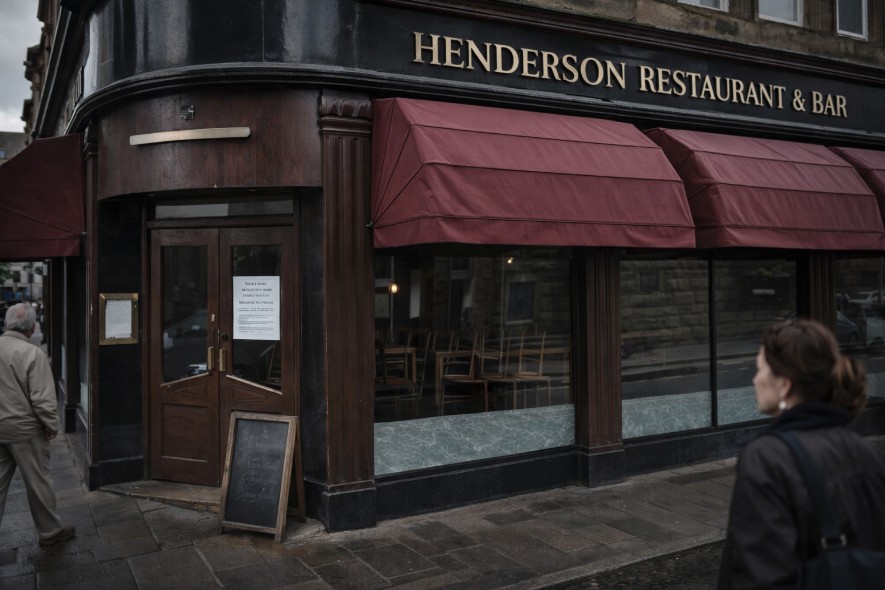
The Unexpected Fall of an Award-Winner: TJ's Stirling and the Henderson Restaurant Group Liquidation
In the vibrant culinary landscape of Stirling, TJ’s Restaurant and Bar carved out a distinct identity. Known for its American-themed menu, generous portions, and family-friendly atmosphere, it quickly became a local favourite. Its success was publicly acknowledged in 2022 when it clinched the prestigious Best Restaurant and Bar in Stirling and Falkirk at the Scottish Business Awards. Yet, despite this high-profile acclaim, the culinary journey of TJ’s has come to an abrupt and unfortunate end. The announcement of the
Henderson Restaurant Group liquidation has sent ripples through the local community, leaving customers and staff grappling with the closure of what many considered a Stirling institution.
The Rise and Reputation of TJ's: A Beloved Local Fixture
For approximately seven years, Henderson Restaurant Group Limited, a family-run business based in Stirling, poured its heart into operating TJ’s Restaurant and Bar on Dumbarton Road. Since its inception in April 2019, TJ’s cultivated a reputation for quality, service, and a welcoming environment. It wasn't just another eatery; it was a destination renowned for its mouth-watering burgers, fluffy buttermilk pancakes, perfectly cooked steaks, and indulgent milkshakes. Its commitment to offering a fun, family-focused dining experience resonated deeply with locals, fostering a loyal customer base that appreciated its consistent quality and generous spirit.
The peak of its recognition came in 2022, a testament to the hard work and dedication of the Henderson family and their team. Winning a regional business award is no small feat; it signifies excellence, customer satisfaction, and a strong market presence. This made the subsequent news of the
Henderson Restaurant Group liquidation all the more startling, highlighting the often-invisible pressures faced even by seemingly successful businesses in the hospitality sector. For many, TJ's was more than just a place to eat; it was part of Stirling’s fabric, a familiar spot for celebrations, casual meals, and creating memories.
Understanding the Henderson Restaurant Group Liquidation Process: A Voluntary Winding-Up
The formal steps towards the closure of Henderson Restaurant Group began with a significant decision by its director, Fraser Henderson. Unlike a compulsory liquidation, which is often initiated by creditors through the courts, the
Henderson Restaurant Group liquidation unfolded as a Creditors’ Voluntary Liquidation (CVL). This means the company’s directors proactively chose to wind up the business, acknowledging that it could no longer sustain its operations or meet its financial obligations.
A formal resolution was signed by Fraser Henderson, confirming the company’s intention to enter voluntary winding-up. The necessary voting majority was secured on March 31st, paving the way for the appointment of joint liquidators. Alan Fallows and Jessica Barker of Manchester-based Xeinadin Corporate Recovery Limited have been tasked with overseeing the complex process. Their role involves a thorough review of the company’s finances, identifying and securing assets, communicating with creditors, and ultimately managing the formal closure in an orderly and compliant manner.
A CVL is a common path for small to medium-sized businesses in the UK when they reach a point of insolvency. It suggests a responsible approach from the directors, choosing to close the business in a structured way rather than allowing debts to escalate uncontrollably. While painful, this process often allows for a more organised winding-up, potentially maximising returns for creditors and ensuring regulatory compliance. For a deeper dive into the specifics of this type of insolvency, you can read more about the
Scottish Hospitality Under Pressure: The Henderson Restaurant Group CVL.
Beneath the Surface: The Broader Pressures on Scotland's Hospitality Sector
The sudden demise of TJ's, an award-winning establishment, serves as a stark reminder of the immense challenges currently gripping the hospitality industry across Scotland and the wider UK. While no single definitive reason for the
Henderson Restaurant Group liquidation has been publicly declared, the broader economic climate offers significant clues. Several interconnected factors have created a perfect storm for businesses like TJ's:
*
Soaring Energy Costs: The dramatic increase in electricity and gas prices has been a crippling burden for restaurants, which rely heavily on energy for cooking, heating, and lighting.
*
Rising Business Rates: Local property taxes, known as business rates, have continued to climb, adding substantial fixed costs regardless of a business’s profitability.
*
Increased National Insurance Contributions: Higher employer National Insurance contributions directly impact staffing costs, making it more expensive to employ team members.
*
Inflation and Supply Chain Issues: The cost of ingredients, beverages, and other supplies has escalated, squeezing profit margins that were already thin. Supply chain disruptions have also led to uncertainty and higher prices.
*
Labour Shortages and Wage Increases: The sector continues to face challenges in recruiting and retaining staff, often leading to increased wage demands to attract talent.
*
Changing Consumer Habits: Post-pandemic, consumer spending patterns have shifted. While dining out remains popular, discretionary spending is under pressure due to the cost of living crisis, making customers more selective and price-sensitive.
These compounding pressures can erode even the healthiest balance sheets. A business might appear busy and successful on the surface, winning awards and maintaining a loyal customer base, but internally, the rising costs can outpace revenue growth, making sustained profitability an elusive goal. This situation underscores the fact that even businesses with a strong brand and excellent service are not immune to macro-economic headwinds. For further insights into the factors contributing to the closure, consider reading
Stirling's TJ's Restaurant Liquidation: What Led to the Unexpected Closure?.
Lessons Learned: Proactive Measures for Businesses in Challenging Times
The story of TJ's Stirling and the
Henderson Restaurant Group liquidation offers valuable, albeit tough, lessons for all business owners, particularly those in the hospitality sector.
1.
Monitor Cash Flow Religiously: Profitability on paper doesn't always translate to available cash. Businesses must meticulously manage cash flow, understanding incoming and outgoing funds to anticipate shortfalls before they become critical.
2.
Proactive Cost Management: Regularly review all operational costs – from supplier contracts to energy tariffs – and seek opportunities for efficiency and savings. Explore alternative suppliers or renegotiate terms where possible.
3.
Seek Early Professional Advice: If financial difficulties begin to emerge, don't delay in seeking advice from insolvency practitioners, accountants, or business advisors. Early intervention can open up more options for recovery or a controlled winding-down process.
4.
Contingency Planning: Develop a robust contingency plan for unforeseen economic shifts, supply chain disruptions, or significant cost increases. What would be the plan if energy costs doubled again? Or if customer footfall significantly dropped?
5.
Understand Comprehensive Business Risks: Beyond financial pressures, businesses must manage a spectrum of operational risks. This includes diligent property maintenance to mitigate premises liability hazards such as slips, trips, or dangerous food, which can lead to costly legal disputes and further strain resources. While TJ's closure was financial, every successful business must ensure it's not exposing itself to unnecessary legal or safety risks that could derail its operations.
Conclusion: A Farewell to a Stirling Favourite, A Lesson for the Industry
The liquidation of Henderson Restaurant Group Limited and the subsequent closure of TJ’s Restaurant and Bar is a significant loss for Stirling. It marks the end of an era for a family-run business that genuinely connected with its community, creating a beloved dining spot that garnered well-deserved accolades. The story of TJ's serves as a poignant reminder that even award-winning establishments are vulnerable to the fierce headwinds buffeting the hospitality sector. The combination of escalating operating costs and challenging economic conditions can swiftly undermine even the most dedicated and successful ventures.
As the liquidators, Alan Fallows and Jessica Barker, proceed with the formal winding-up of the
Henderson Restaurant Group liquidation, the focus shifts to the orderly closure of the company and addressing its creditors. For the wider industry, TJ's legacy will be more than just memories of great burgers and pancakes; it will be a stark, high-profile case study on the critical importance of financial resilience, strategic foresight, and the ongoing need for supportive government policies to help Scotland's vital hospitality sector navigate these turbulent times.